UK GUIDES TO HOME OFFICE ERGONOMICS

Ergonomic Home Office Guides UK | Ergonest

Ergonest publishes practical UK guides to ergonomic office chairs, standing desks, monitor arms, laptop stands, footrests and wireless keyboards and mice. Compare key features, sizing and suitability before you buy.

✓ BS EN 1335 & HSE DSE ✓ 100% Spec-Verified ✓ UK Home & Small Office Fit
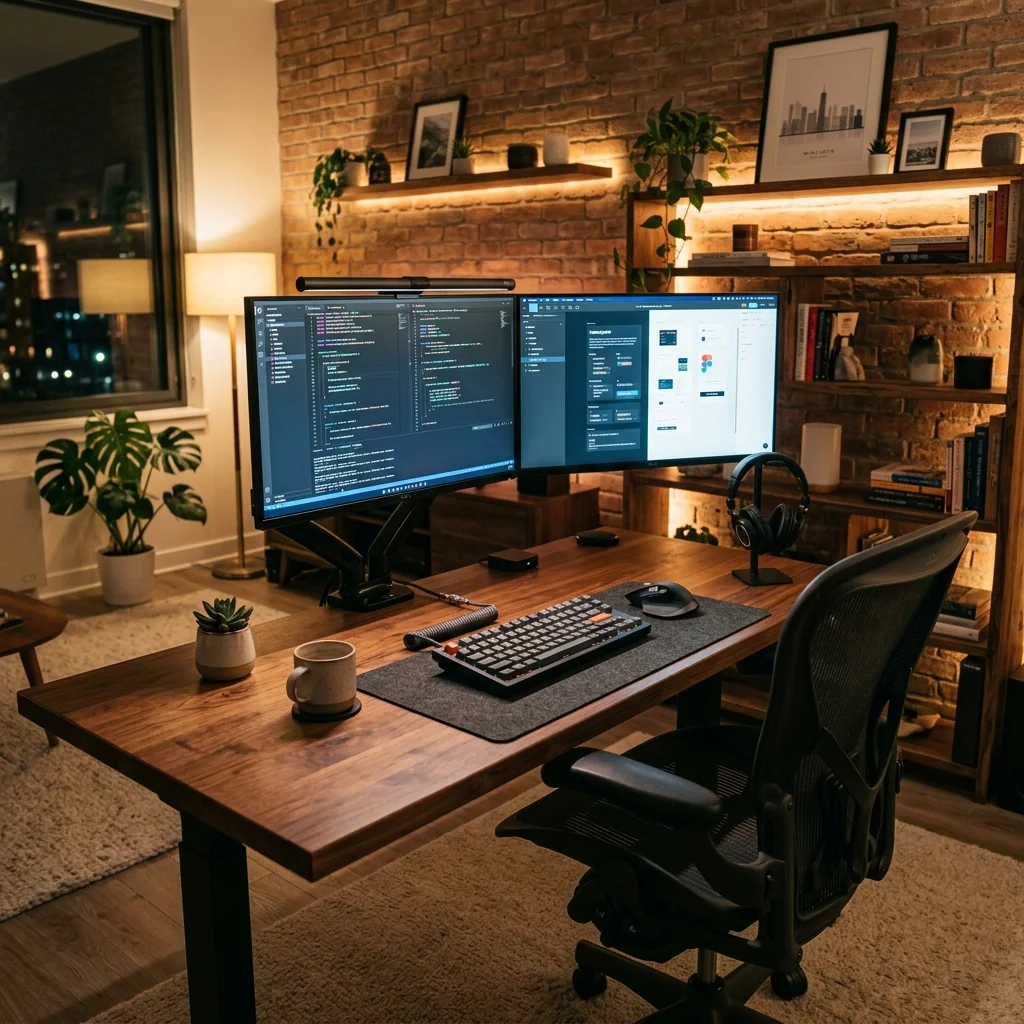
Ergonomic home office desk setup with dual monitors and ergonomic task chair
DSE Blueprint

Posture support, clear desk clearances & zero neck strain.

View Steps →

Sizing That Fits Your Desk

Screen setback, seat height, and under-desk leg clearance explained clearly so you can check fit before purchasing.

UK-Focused Comparisons

Chairs, desks and accessories compared on published specifications, with British homes and small offices in mind.

HSE & British Standards

Guides refer directly to BS EN 1335 for office chairs and the HSE Display Screen Equipment Regulations where relevant.

TECHNICAL SIZING ENGINE

Interactive Ergonomic Height Calculator

Calculate your bespoke seat, desk, and monitor positioning based on British BSI & HSE anthropometric ratios.

175 cm (5'9")
Wearing Indoor Shoes / Trainers Adds realistic +2.5 cm heel offset

💡 How it works: Heights are calculated using popliteal distance (25.5%), seated elbow rest height (39.5%), standing elbow height (62.5%), and eye-level line (67.5%) from published European anthropometric tables.

Recommended Seat Height
45 cm

Floor to top of compressed seat pan. 90° knee angle.

Seated Desk Height
70 cm

Floor to desktop surface. Relaxed shoulders.

Standing Desk Height
110 cm

Floor to desktop when standing upright.

Top of Monitor Height
118 cm

Floor to top bezel seated. 15°–20° down-gaze.

â„šī¸

UK Standard Desk Alert: Most fixed UK desks are built to 73–75 cm. Because your optimal seated desk height is 70 cm, standard desks will cause shoulder shrugging unless you raise your chair and use an under-desk footrest.

ERGONOMICS & WORKPLACE WELLBEING

Ergonomic Furniture & Home Office Guides

Comprehensive UK buying guides, dimension verifications, and posture advice for remote workers.

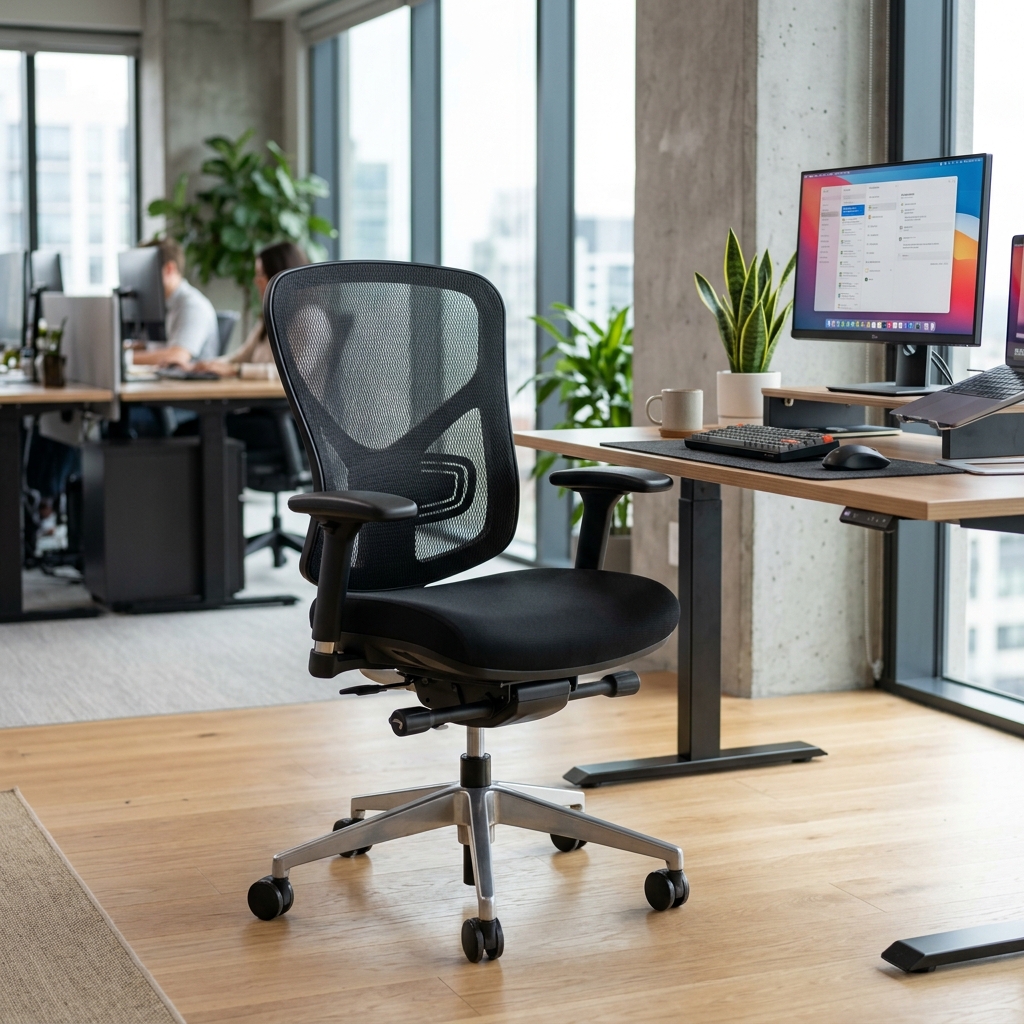
Ergonomic office chair with adjustable lumbar support and mesh backrest
BS EN 1335 12 min read

Ergonomic Office Chairs

Understand chair adjustability, synchronous tilt mechanisms, L1–L5 lumbar support apex, and how to verify fit for shallow home desks.

  • ✓ Seat height travel: 40–51 cm
  • ✓ Synchronous tilt tension
  • ✓ 3D adjustable armrests
Specification Verified
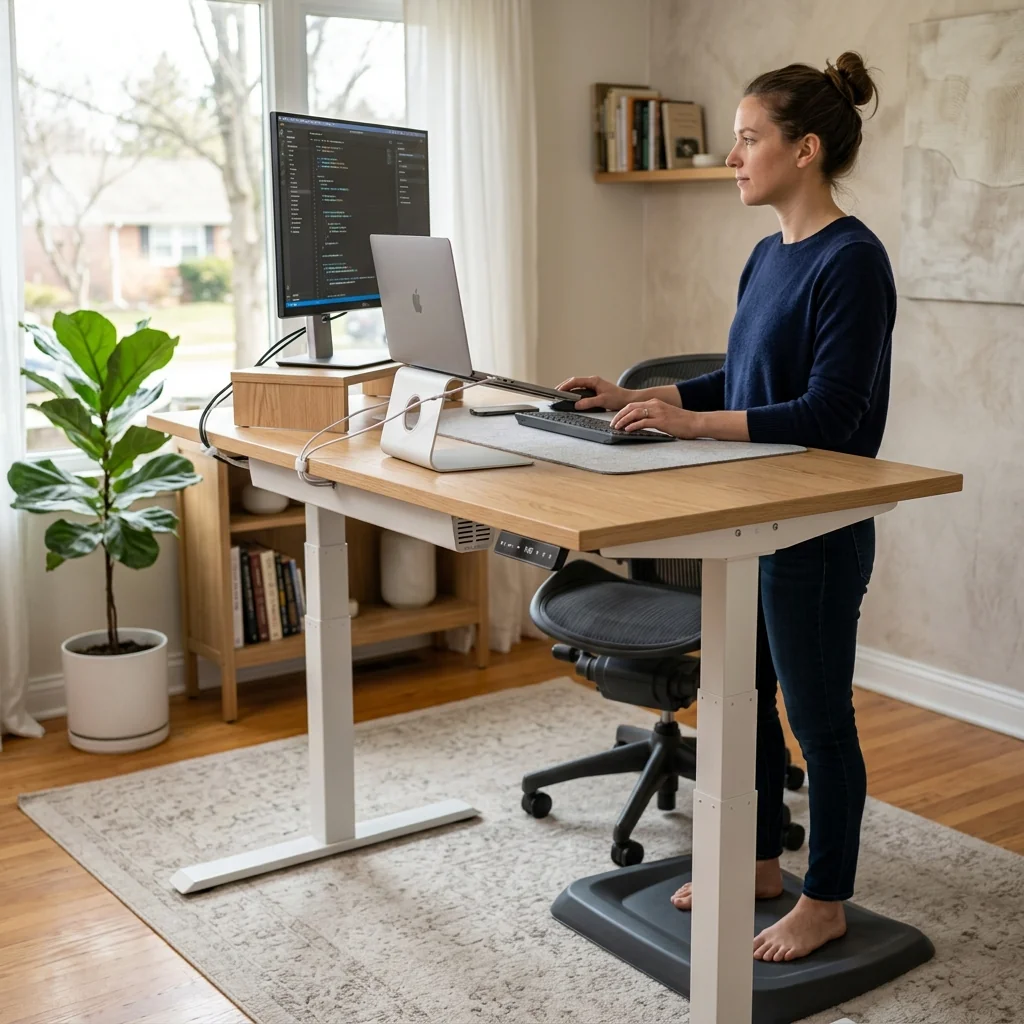
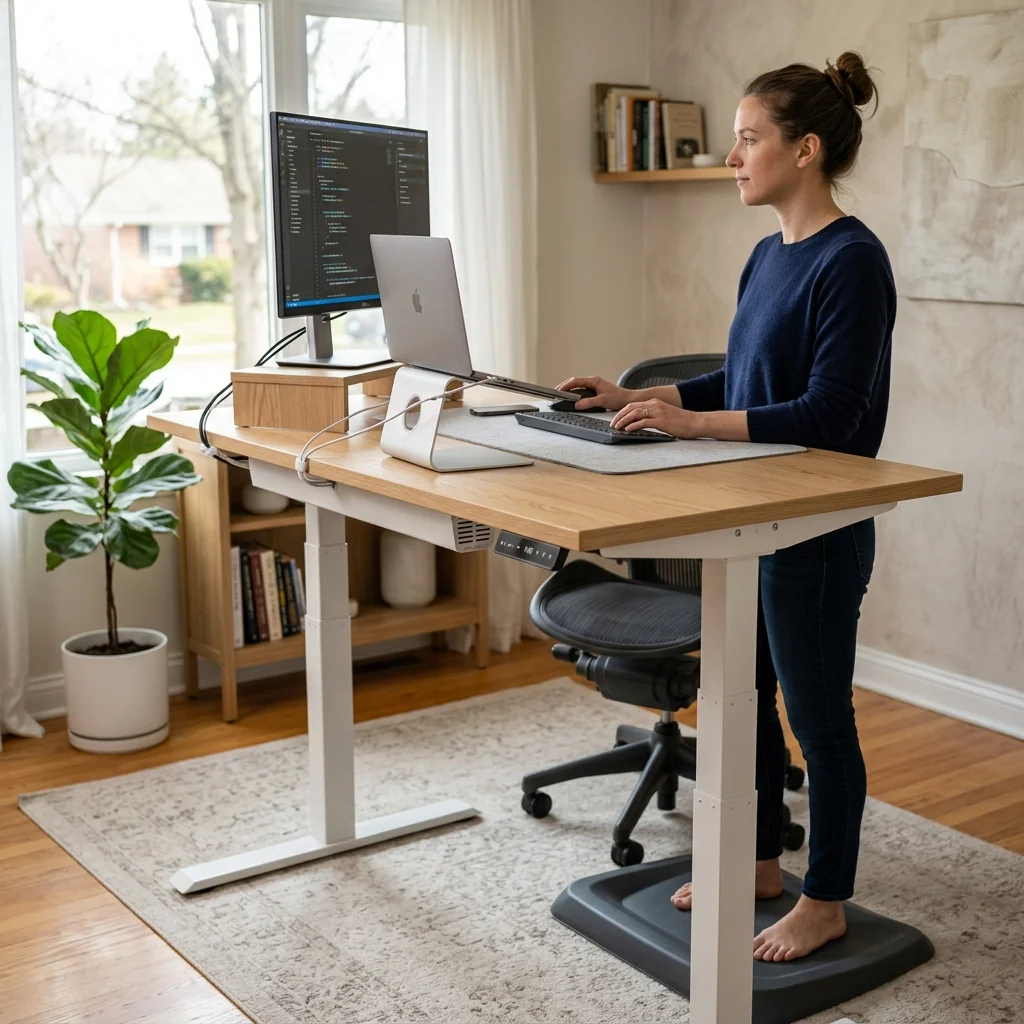
Electric height adjustable standing desk in modern home office
Sit-Stand 14 min read

Standing Desks

Explore dual-motor stability, height travel ranges from 62 to 128 cm, anti-collision sensors, and frame wobble prevention for compact rooms.

  • ✓ Dual-motor lifting column
  • ✓ Anti-collision gyro sensor
  • ✓ Travel range: 62–128 cm
Specification Verified
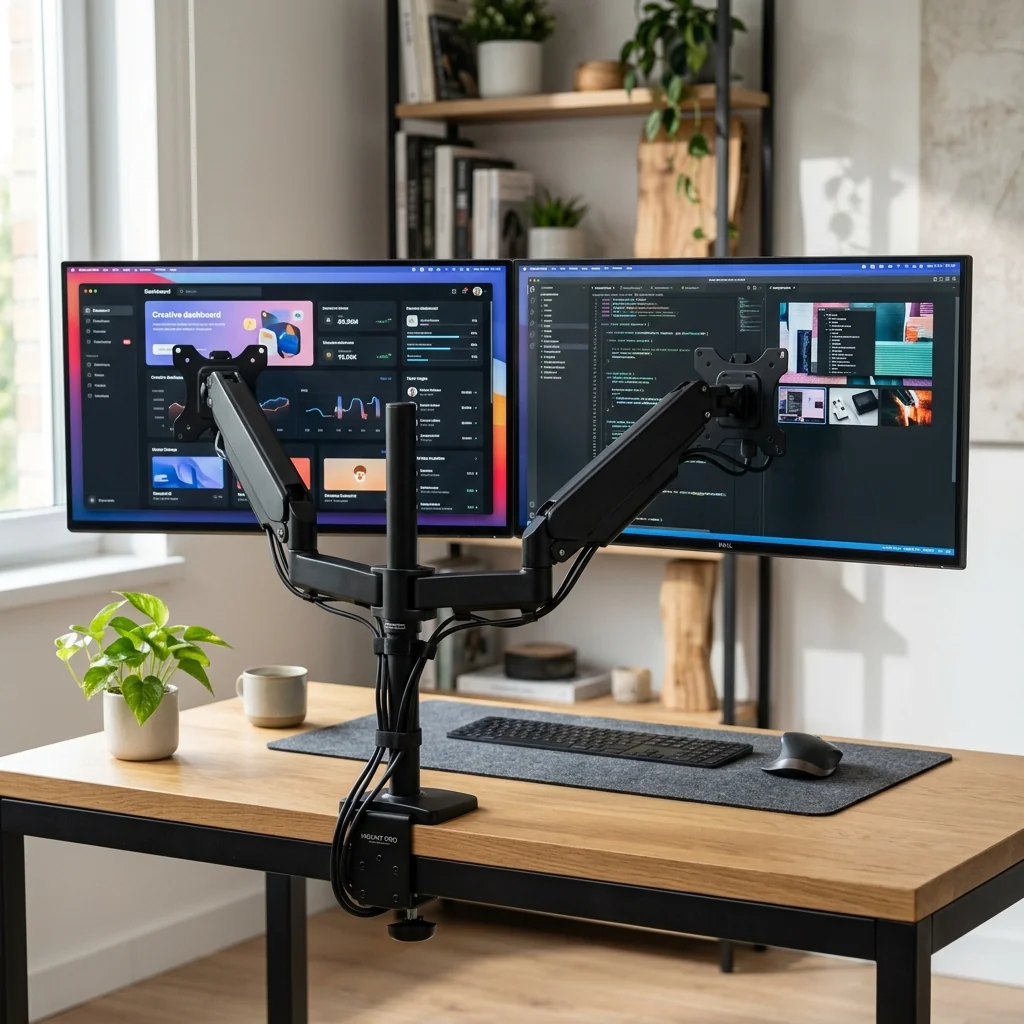
Heavy duty gas spring monitor arm mounted to wooden desk
VESA 75/100 10 min read

Monitor Arms

Check VESA 75/100 compatibility, gas spring counterbalance, screen setback, and C-clamp vs grommet desk stability before mounting displays.

  • ✓ Gas spring counterbalance
  • ✓ 50–70 cm setback clearance
  • ✓ Independent tilt & swivel
Specification Verified
Aluminium adjustable laptop stand elevating screen to eye level
Neck Relief 9 min read

Laptop Stands

Elevate laptop displays to eye level to eliminate cervical spine tilt. Compare dual-hinge folding stands, riser stability, and airflow ventilation.

  • ✓ Dual-hinge height travel
  • ✓ Prevents 45° neck flexion
  • ✓ Requires external peripherals
Specification Verified
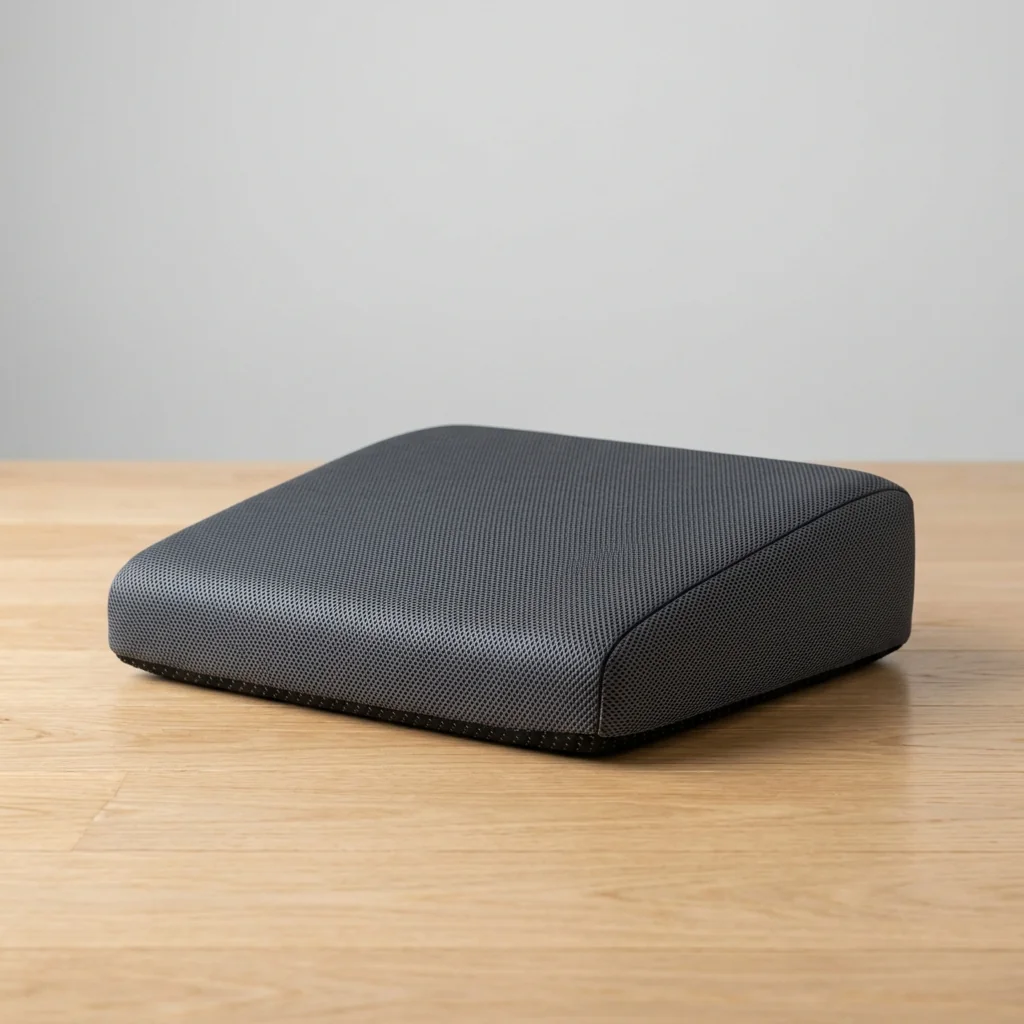
Adjustable angle under desk footrest with textured non slip surface
Circulation 8 min read

Under-Desk Footrests

Learn when a footrest is mandatory on standard 73 cm UK desks. Calculate popliteal clearance, angle tilt, and active rocking benefits.

  • ✓ 0°–30° dynamic angle tilt
  • ✓ Preserves popliteal blood flow
  • ✓ Non-skid rubber base
Specification Verified
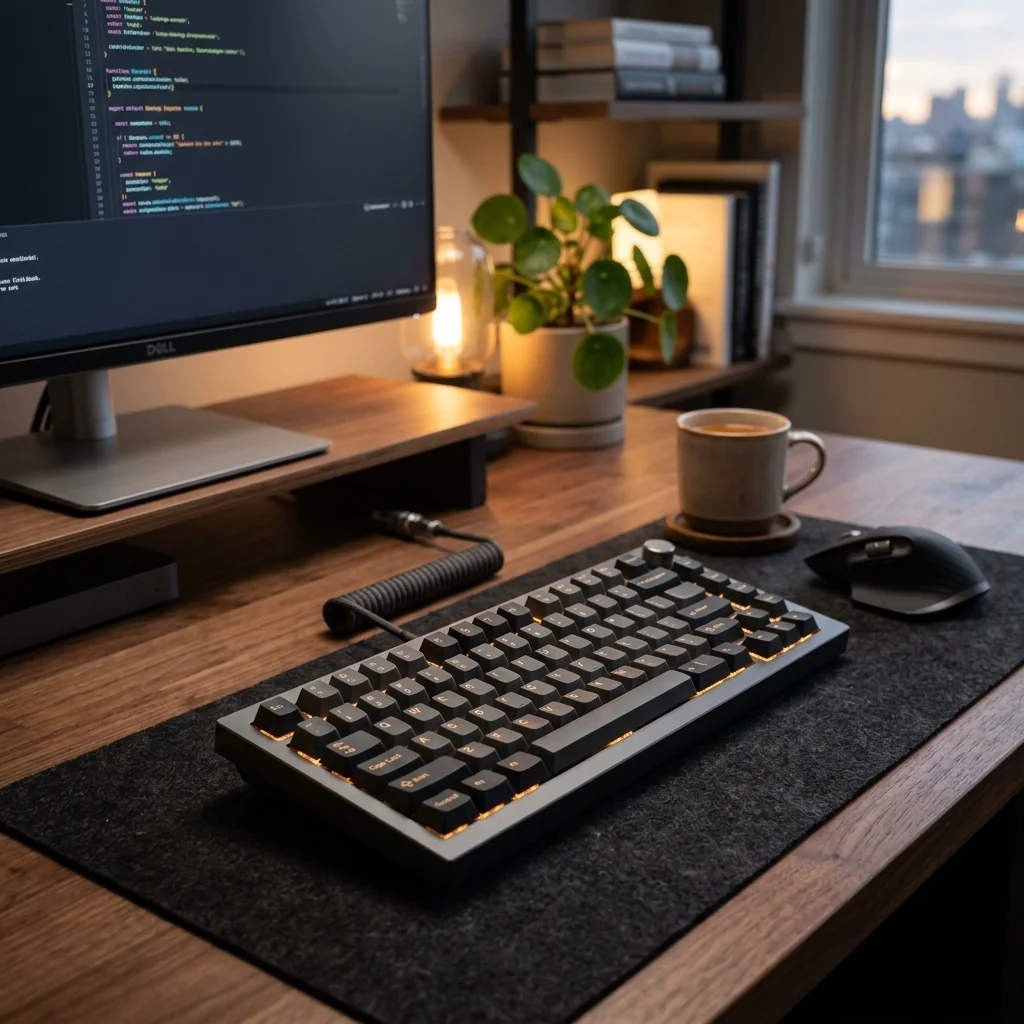
Low profile ergonomic wireless keyboard with split key layout
Wrist Posture 11 min read

Wireless Keyboards

Compare low-profile scissor switches, split ergonomic tenkeyless layouts, and dual 2.4GHz / Bluetooth latency for neutral wrist extension.

  • ✓ Low-profile front height (<18mm)
  • ✓ Negative tilt capability
  • ✓ Multi-device OS switching
Specification Verified
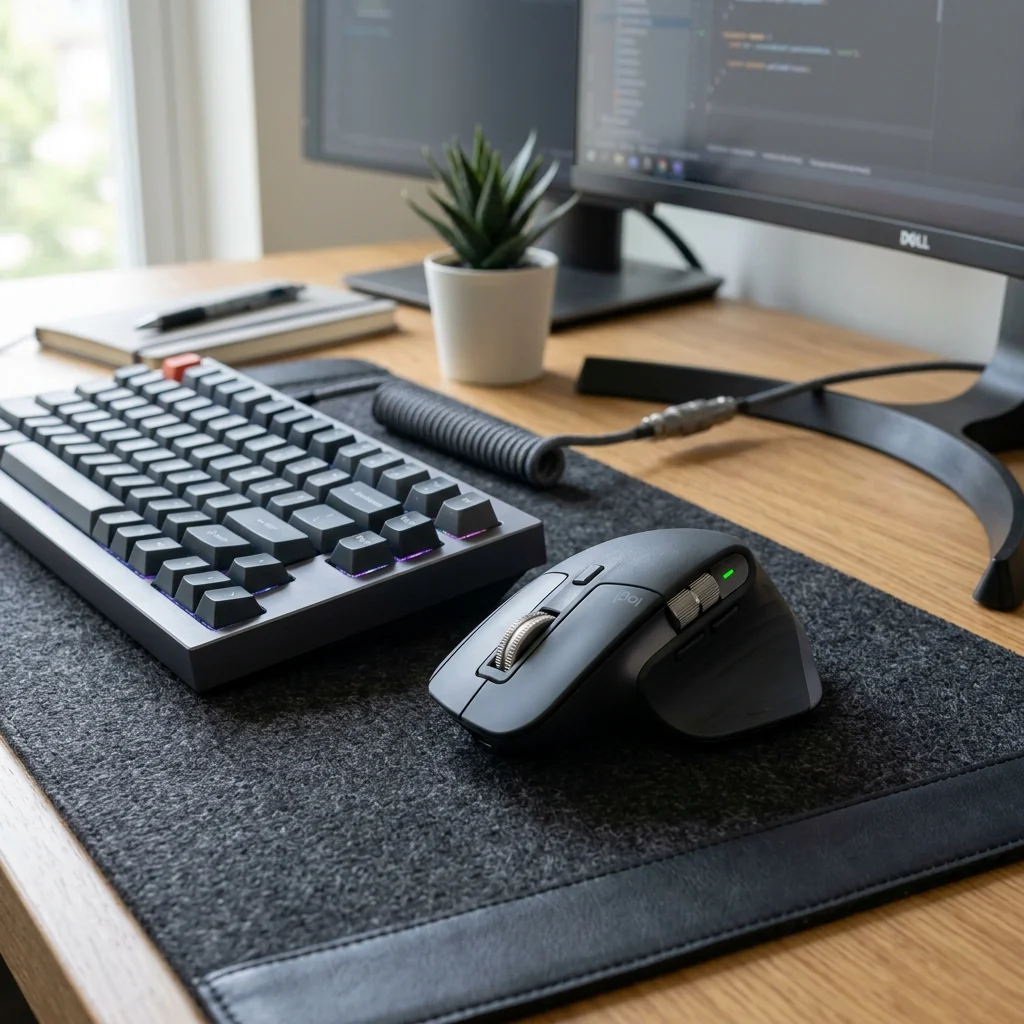
Vertical ergonomic wireless mouse with 57 degree handshake angle
Carpal Relief 10 min read

Wireless Mice

Review vertical 57-degree handshake mice, contour grip sizes, sensor DPI, and thumb resting cradles to reduce forearm pronation and wrist strain.

  • ✓ 57° vertical handshake grip
  • ✓ Reduces forearm pronation
  • ✓ High-precision optical sensor
Specification Verified
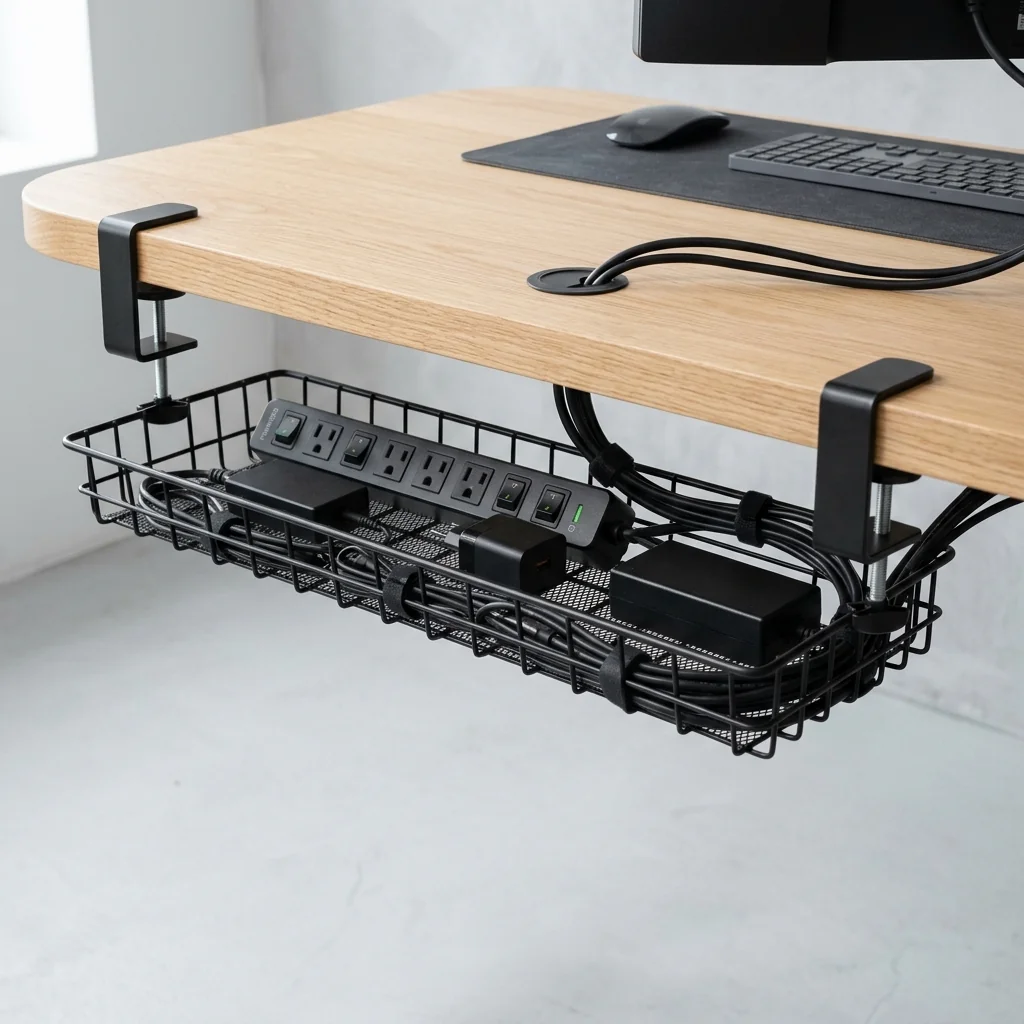
Clamp on non drill cable management tray for home office standing desk
Desk Safety 7 min read

Clamp-On Cable Trays

No-drill steel wire raceways and clamp-on channels that keep standing desk power cords organized without snagging during height adjustments.

  • ✓ Clamp-on no-damage mounting
  • ✓ Standing desk travel slack
  • ✓ Heavy duty power brick capacity
Upcoming Resource
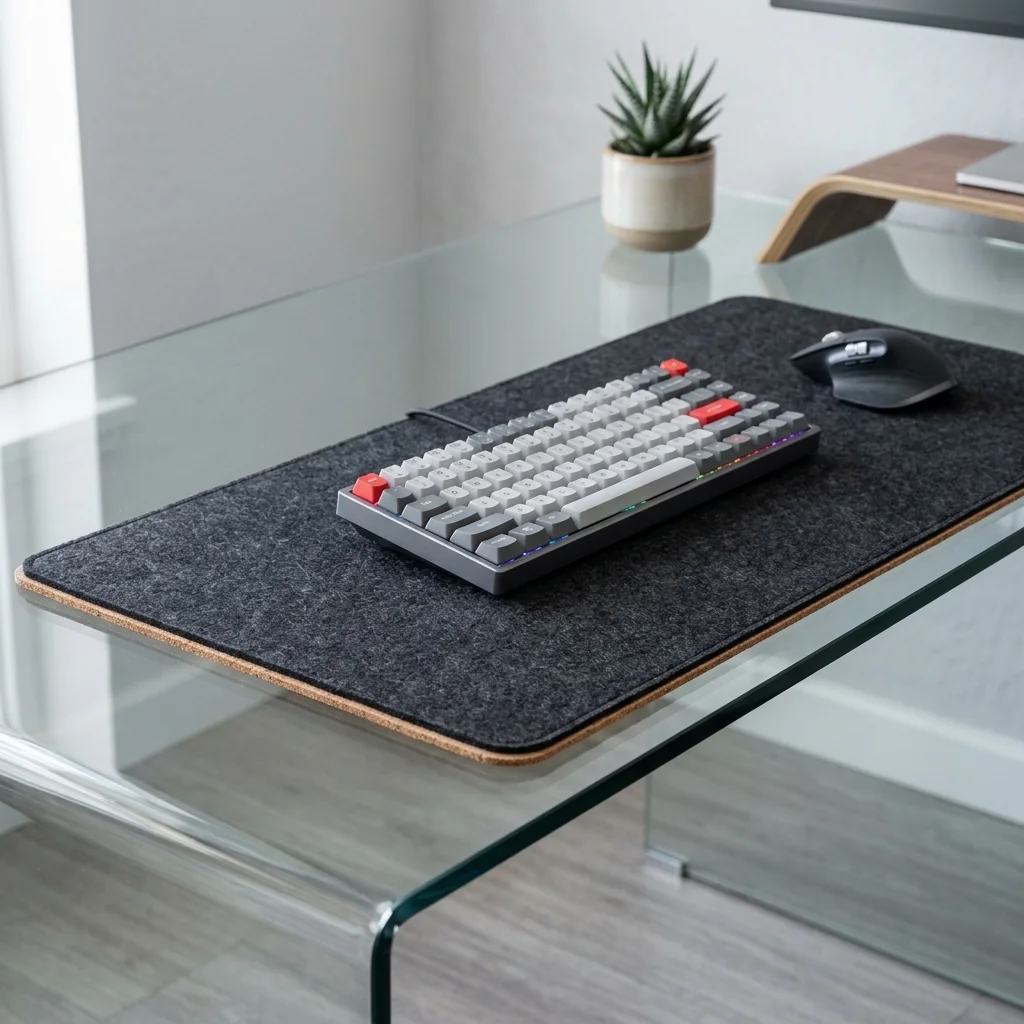
Felt wool desk blotter mat providing smooth mouse glide on desk
Surface Fit 6 min read

Felt Desk Blotters

Natural wool and synthetic felt desk blotters that ensure reliable optical mouse tracking on glass, cushion wrists, and dampen keyboard acoustic resonance.

  • ✓ Consistent optical tracking
  • ✓ Thermal and acoustic insulation
  • ✓ Anti-slip rubberised underlay
Upcoming Resource
WORKSTATION ANATOMY

The 4-Step Ergonomic Blueprint

How to calibrate your desk, chair, and screen according to UK Health & Safety Executive (HSE) display screen regulations.

01

Seat & Pelvis Base

Adjust seat height so thighs are roughly horizontal and feet rest flat on the floor. Maintain a 2–3 finger gap between the front of the cushion and the back of your knees (popliteal clearance).

90°–100° Knee Angle
02

Desk & Forearm Line

Rest your forearms horizontal with shoulders completely relaxed. Elbows should form a 90° to 100° angle level with the home row of your keyboard. If the desk is too high, raise chair and add a footrest.

Zero Shoulder Shrugging
03

Screen & Neck Angle

Position the top third of your monitor directly at eye height, roughly an arm's length (50–70 cm) away. This allows a natural 15° to 20° downward gaze, eliminating chronic cervical spine extension.

50–70 cm Eye Setback
04

Dynamic Sit-Stand Rhythm

Avoid static positions for more than 45 continuous minutes. Follow the 20-8-2 formula: 20 minutes sitting, 8 minutes standing, and 2 minutes stretching or gentle walking.

20-8-2 Movement Formula
CREDIBILITY & COMPLIANCE

British & European Ergonomic Standards

We benchmark home office furniture against verified statutory codes rather than manufacturer marketing claims.

British & European Standard

BS EN 1335: Office Work Chairs

BS EN 1335 specifies the dimensions, safety requirements, and test methods for office work chairs in the UK and EU. It guarantees structural integrity for intensive 8+ hour commercial and home use.

  • Type A & B Chairs: Require comprehensive seat height adjustment (minimum 400–510 mm) and seat depth adjustment.
  • Lumbar Apex: Mandates adjustable lumbar curvature support to sustain the natural lordotic curve of the spine.
  • Stability & Tilt: Tests base stability against rearward tip-over during deep reclining movements.
UK Statutory Guidance

HSE DSE Regulations 1992

The Health and Safety (Display Screen Equipment) Regulations protect habitual computer users from musculoskeletal disorders, eye fatigue, and repetitive strain injuries (RSI).

  • Separation of Screen & Keyboard: Laptops used for continuous work must be paired with an external keyboard, mouse, and screen riser.
  • Screen Tilt & Swivel: Displays must tilt and swivel easily to avoid glare and reflections.
  • Footrest Provision: Where chair height cannot be adjusted to meet desk height with feet flat, a footrest must be provided.
HOW OUR GUIDES WORK

Why Read Ergonest?

The guides focus on practical home office ergonomics for UK homes and small offices. They explain useful specifications, sizing considerations and relevant guidance so readers can make informed comparisons, and they are based on published specifications rather than unsupported marketing claims. Guidance on posture and comfort is general information, not medical advice: if you have persistent pain, speak to a GP, physiotherapist or occupational health adviser.

COMMON QUESTIONS

Frequently Asked Ergonomic Questions

Key facts about setting up a compliant, comfortable British home workspace.

What is the standard desk height in the UK?

Most fixed UK commercial and home office desks are built to a height of 73 to 75 cm. However, British anthropometric standards indicate this is too high for individuals under 5 ft 10 in (178 cm), frequently causing shoulder shrugging. For shorter users, an adjustable desk or under-desk footrest is essential.

How do I know if an office chair complies with BS EN 1335?

A compliant chair will explicitly cite BS EN 1335 certification on its technical data sheet. It specifies seat height travel between 40 and 51 cm, seat depth adjustment of at least 5 cm, and dynamic synchronous tilt mechanisms designed to support 8 or more continuous hours of display screen work.

How often should you alternate between sitting and standing?

Ergonomists and HSE guidelines recommend the 20-8-2 formula: for every 30 minutes, sit for 20 minutes in a supportive posture, stand for 8 minutes, and move or stretch for 2 minutes. Avoid standing continuously for over 45 minutes, which can cause venous pooling and lower back fatigue.

At what height should my monitor be set to avoid neck strain?

The top third of your display screen should align directly with your horizontal eye line when seated upright. This naturally angles your gaze downward by 15 to 20 degrees, preventing neck hyperextension. Position the monitor roughly an arm's length (50 to 70 cm) away.

When do I need an under-desk footrest?

You require an under-desk footrest if your chair must be raised to align your forearms with a fixed desk surface (73 to 75 cm) and your feet no longer rest firmly flat on the floor. A footrest relieves pressure behind the knees and maintains healthy venous circulation.